INDUSTRY FOCUS
Market We Serve

Aerospace & Defence
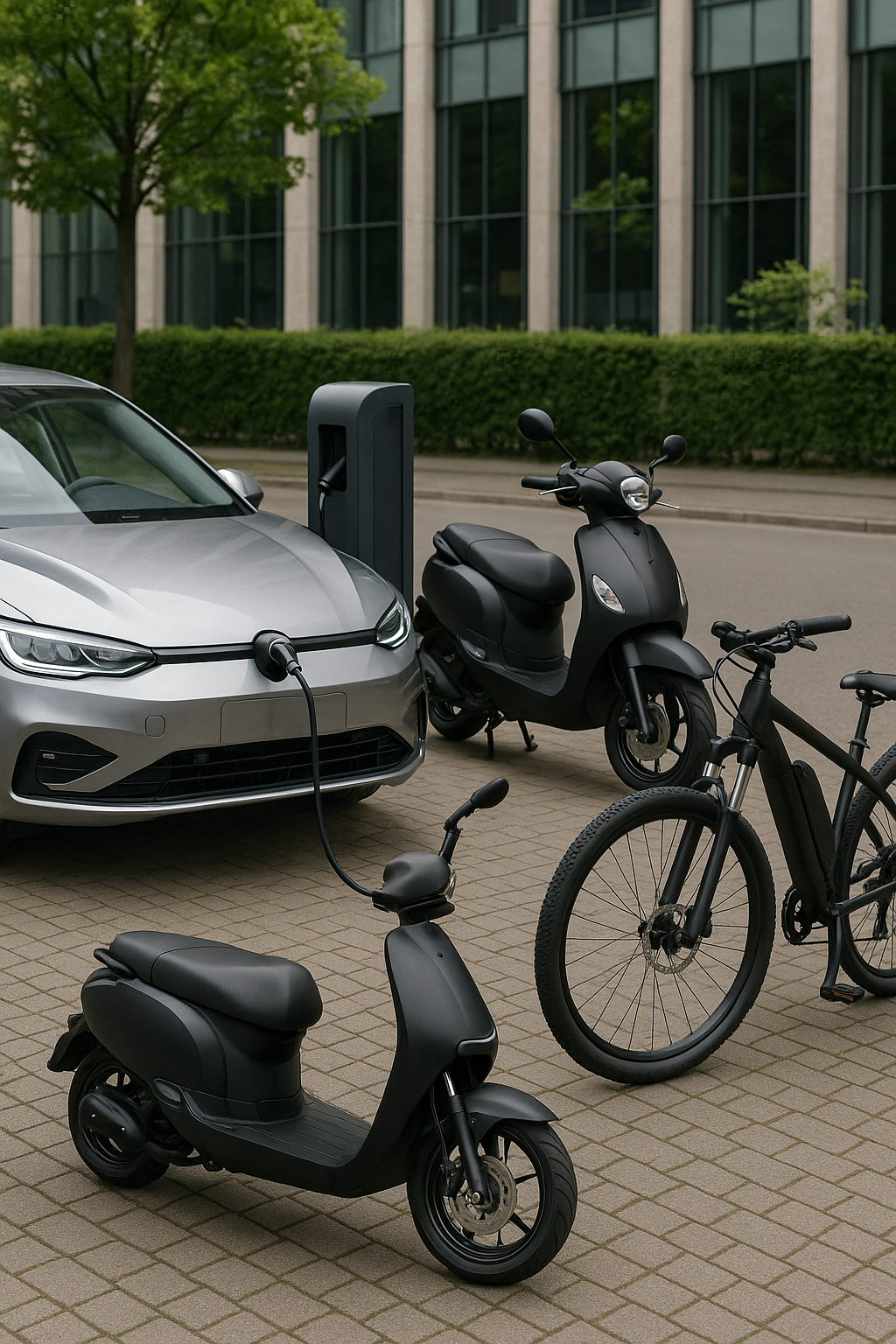
Automobile

Energy storage & Environment

Pioneering sustainable research in advanced carbon materials
At the frontier of technological advancement, carbon stands as the elemental powerhouse driving next-generation breakthroughs. Its remarkable versatility and unique properties are not just enhancing industries but also redefining them. From ultra-strong lightweight composites to quantum materials with tuneable electronic properties, advanced carbon forms like graphene, carbon nanotubes, carbon fibers and high purity synthetic graphite are unlocking possibilities once thought impossible.
We are only beginning to explore the true potential of carbon's transformative capabilities. As we enter a new technological era, carbon-derived materials are emerging as the foundation for innovation across energy, aerospace, electronics, healthcare, and beyond. Our research and technologies are at the forefront of this revolution, crafting solutions that are lighter, stronger, smarter, and ready to meet the challenges of tomorrow.
India is nearly 100% import-dependent for carbon fiber, mesophase pitch, and battery-grade synthetic graphite, and heavily reliant on imports for premium needle coke. Domestic capacity is either nonexistent or at early pilot stages.
India's domestic production of these materials is at an inflection point. Carbon fiber has near zero commercial output while mesophase pitch and needle coke, has no large-scale domestic production. Needle coke is produced domestically by a few refineries, but capacity is insufficient to meet rising demand. Synthetic graphite is seeing the most aggressive push specially for battery anode production.
Imported carbon materials carry a significant price premium due to high processing costs, specialized quality requirements, and limited global suppliers. Materials such as carbon fiber and mesophase pitch are particularly expensive because of complex manufacturing processes, low global production and dual-use export restricitons.
India currently consumes around 5–6 thousand tonnes of carbon fiber annually, with demand steadily increasing. Needle coke demand reaches several hundred thousand tonnes per year, primarily driven by graphite electrode production for the steel sector. Whereas, mesophase pitch are used for making synthetic graphite and battery materials.
At Nexmats, we have developed the coal tar drived mesophase pitch, which is a highly complex and IP-intensive process. Importantly, mesophase pitch is itself a high-value commercial material and a critical precursor for high performance carbon fiber, synthetic graphite and lithium-ion battery anodes, creating multiple market opportunities during the fiber development phase.
Needle coke is a critical precursor for the production of high-performance graphite electrodes used for steel production and anode materials. NexMats is developing capabilities to produce high-quality needle coke from coal-tar-derived feedstocks.
NexMats is developing an integrated “Pitch-to-Fiber” technology platform, enabling the conversion of mesophase pitch into high-performance carbon fibers. We aim to reduce the dependence on imported high-strength, high-modulus carbon fiber for advanced engineering applications.
Pitch-based carbon fiber offers a distinct set of properties that PAN-based fiber cannot match, making it the only viable material for certain space, defence, and thermal management applications.
Mesophase pitch based carbon fiber achieves elastic moduli and thermal conductivity significantly greater than the best PAN fiber, and a near-zero coefficient of thermal expansion.
ELASTIC MODULUS
THERMAL CONDUCTIVITY
THERMAL EXPANSION COEFFICIENT
| Property | PAN-Based CF (General) | Pitch-Based CF (Mesophase) |
|---|---|---|
| Elastic Modulus | 200–600 GPa | 400–900 GPa ✓ |
| Thermal Conductivity | ~upto 1oo W/mK | Up to 1,000 W/mK ✓ |
| Thermal Expansion (CTE) | Moderate | Near-zero ✓ |
| Electrical Conductivity | Good | Excellent ✓ |
| Primary Applications | Structural composites | Satellites · Brakes · Thermal Management✓ |